


Key Features
- Massive 304Ah Storage Capacity: Designed to support long runtimes in high-demand energy systems.
- Balanced Power Delivery: Optimized for steady charging and strong discharge performance.
- Reliable Long-Term Use: Up to 3,500 cycles for dependable operation over many years.
- Efficient Prismatic Design: Compact footprint ideal for large battery banks and modular systems.
- Stable LiFePO4 Chemistry: Known for safety, voltage stability, and thermal performance.
Overview
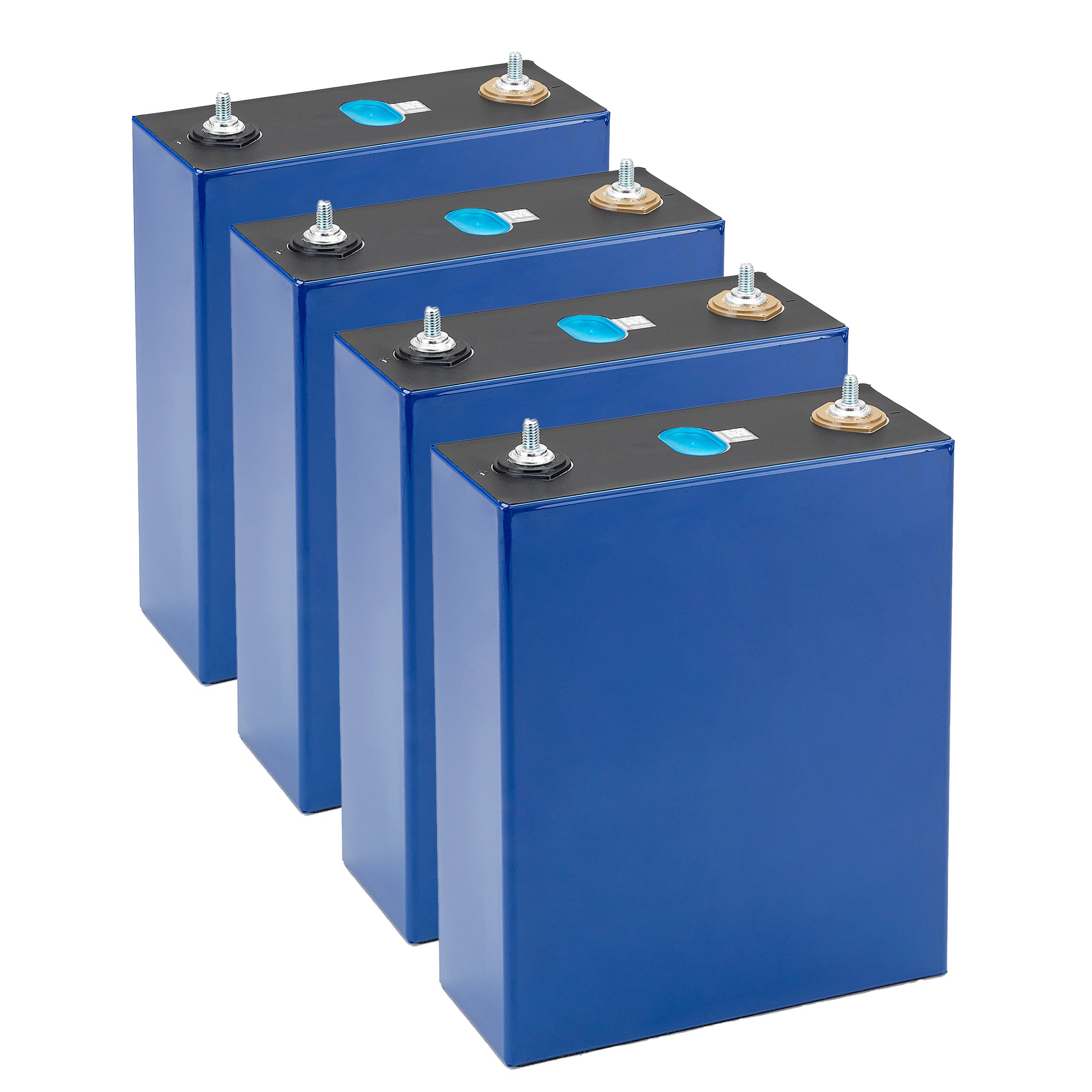
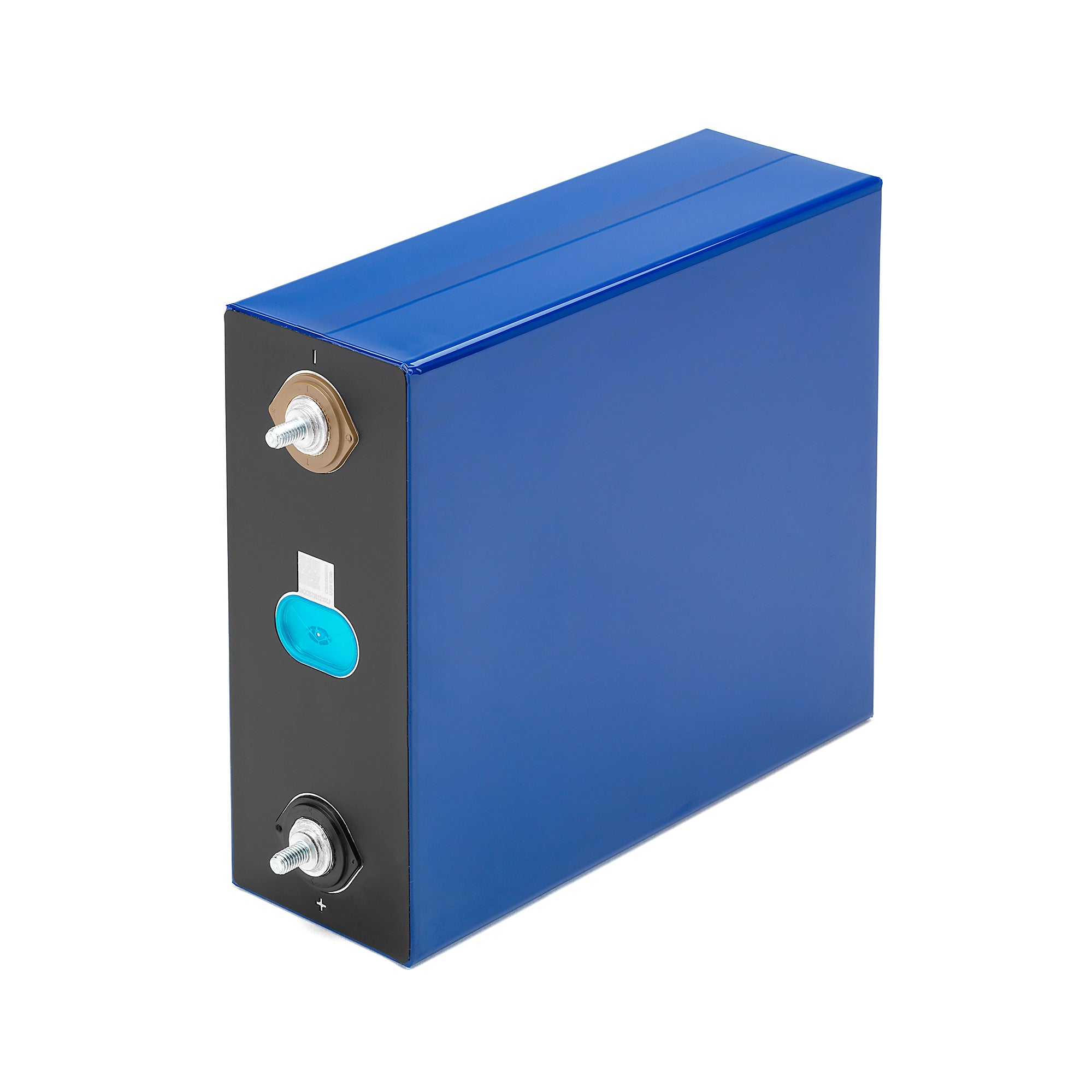
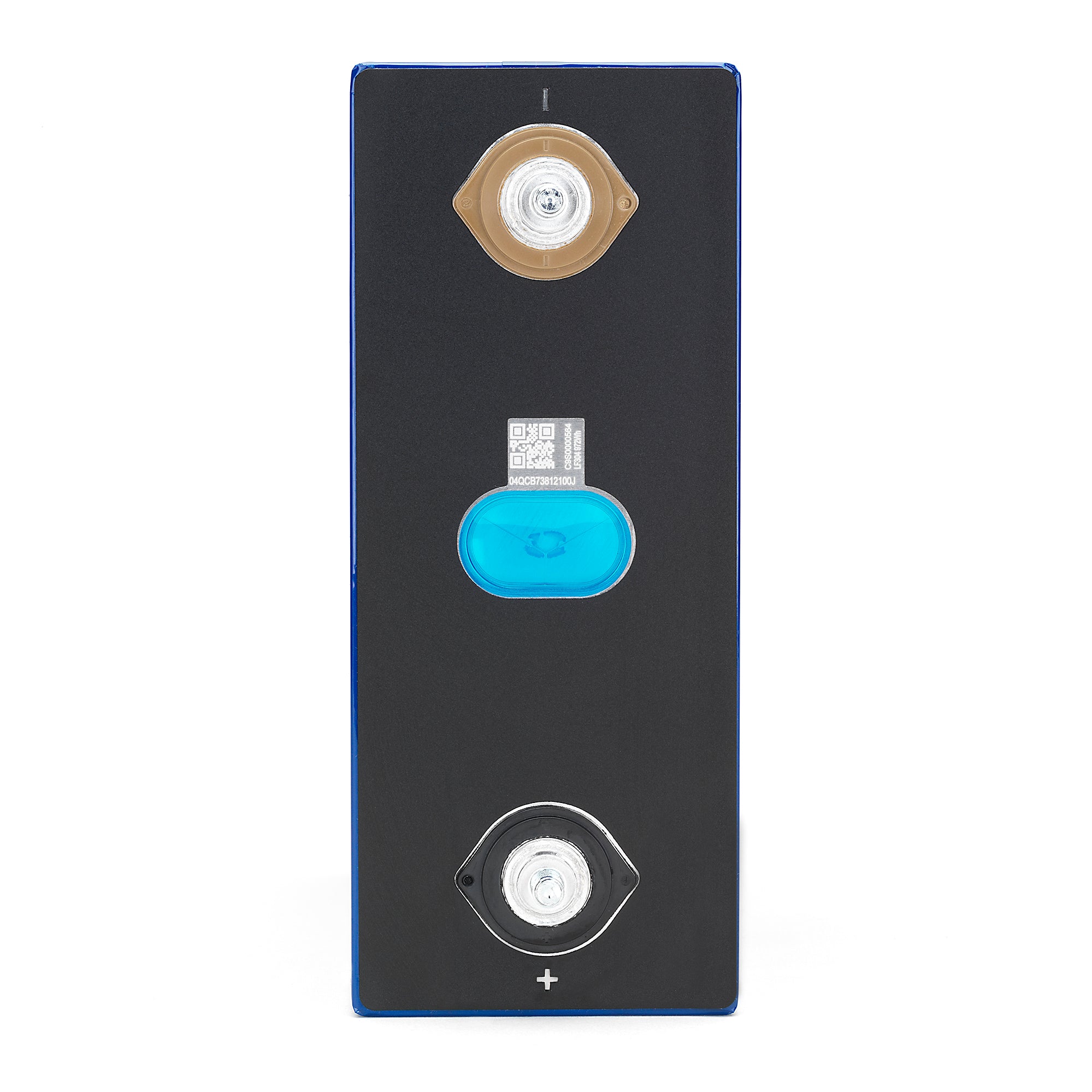
The EVE LF304 304Ah LiFePO4 battery delivers dependable, high-capacity energy storage in a prismatic form factor. Operating at a 3.2V nominal voltage, this Grade A lithium iron phosphate cell is built for applications where long runtime, stability, and durability are essential. Its balanced charge and discharge characteristics make it an excellent choice for renewable energy systems and heavy-duty power installations.
Applications / Uses
- Residential and commercial solar energy systems
- Electric mobility and transport battery banks
- Off-grid and backup power installations
- Industrial energy storage solutions
- Custom LiFePO4 battery assemblies
Specifications
| Manufacturer: | EVE Energy |
| Model: | LF304 |
| Form: | Prismatic |
| Nominal Capacity: | 304Ah |
| Nominal Voltage: | 3.2V |
| Cutoff Voltage (Charge / Discharge): | 3.65V / 2.5V |
| Max Continuous Charge / Discharge Current: | 0.5C / 1C |
| Max Pulse (30s) Charge / Discharge Current: | 2C / 2C |
| Cycle Life: | 3,500 cycles |
| Protected: | No |
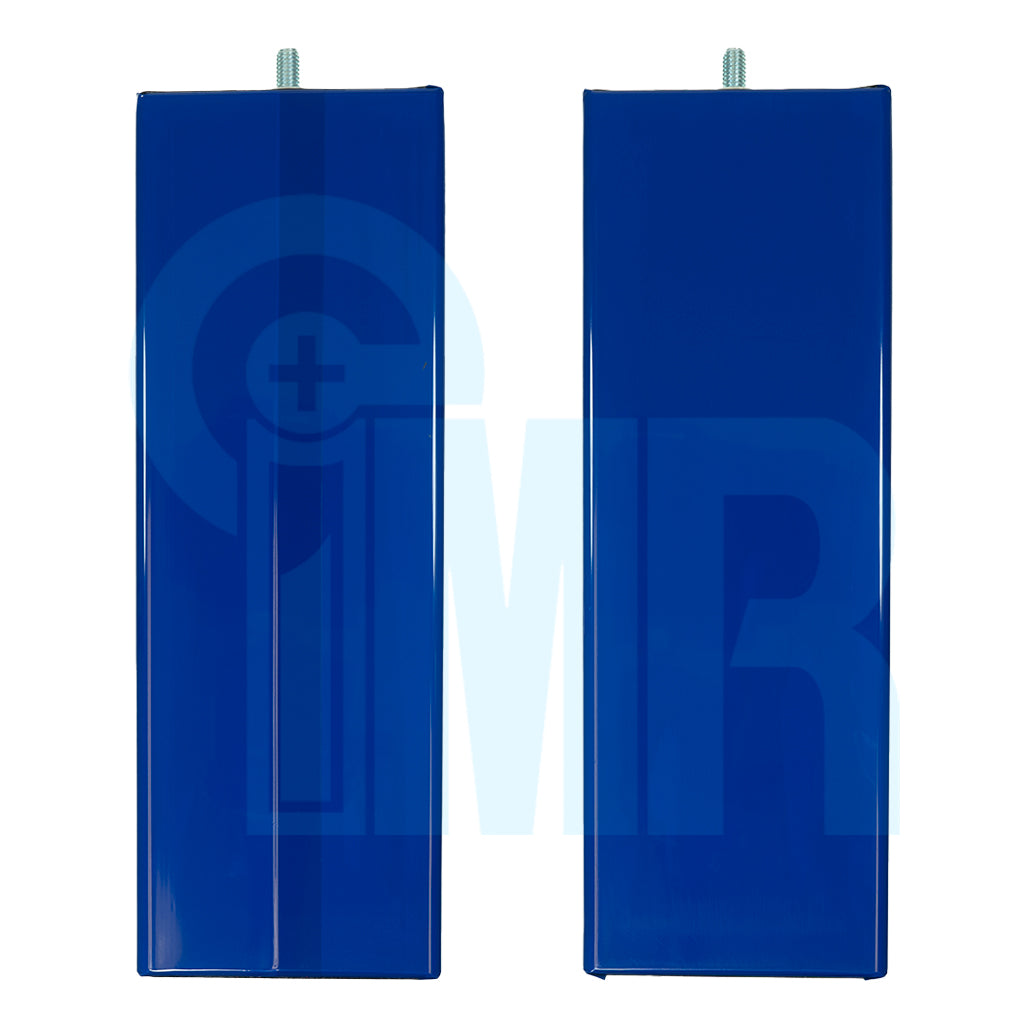
| Approx. Dimensions: | 173.5mm x 72.0mm x 208.8mm |
| Approx. Weight: | 5490g |
⚠ Important Safety Warnings
Improper handling or misuse of this Lithium Iron Phosphate (LFP) battery can result in ELECTRICAL DAMAGE, FIRE, or THERMAL RUNAWAY, causing personal injury, property damage, or equipment failure. Users must read and follow all safety guidelines before purchase and use. Click here to review the full safety guidelines.
- Voltage Limits: Always operate within the recommended voltage range (2.5V–3.65V). Exceeding these limits can degrade performance, damage the cell, or pose safety risks.
- Thermal Stability: LFP cells are thermally stable, but short circuits, overcharging, or physical damage can still cause overheating or failure.
- Storage & Transport: Always store cells in protective cases or fully assembled battery packs with proper protection circuitry (BMS). Never store loose cells in bags or near conductive materials (e.g., tools, wires, or metal objects) that could contact the terminals and cause a short circuit. Store in cool, dry conditions away from physical or electrical hazards.
- Inspection: Do not use if the battery casing, wrapper, or terminal is damaged, dented, leaking, or bulging. These are signs of instability and potential failure.
- Charging: Use a smart charger specifically designed for LFP cells and ensure that the charger's voltage matches the battery's specifications. Monitor charging and avoid leaving batteries unattended.
-
Prohibited Activities:
- Do not expose the battery to high heat, fire, or liquid.
- Do not short circuit, puncture, crush, or modify the cell.
- Do not charge or discharge beyond the manufacturer’s specified voltage range.
- Do not dispose of in regular trash—always recycle responsibly.
- Emergency Response: If the battery overheats, emits smoke, or swells, move it to a non-flammable surface (e.g., sand or concrete) and stop use immediately. In case of fire, use a Class D fire extinguisher or sand. Do not use water.
Disclaimer
IMR Batteries is not responsible for any damages, injuries, or claims arising from improper use, handling, or failure to follow these safety guidelines. Lithium Iron Phosphate (LFP) cells are designed for specific applications and must be integrated into systems with proper protection circuitry. We do not guarantee compatibility with any specific application, charger, BMS, or device. It is the customer’s responsibility to verify proper cell selection and compatibility before use. IMR Batteries is not responsible for the design, assembly, or safety of any battery pack built using our cells. It is the reseller's responsibility to ensure all safety warnings and product guidelines are effectively communicated to their customers. Users and resellers assume full responsibility for the safe handling, usage, and distribution of this product.